Hugatjacka: När man kommer hem från affären och inser att kassarna är fulla med saker man inte borde ha köpt…
Hugatjacka
Lämna ett svar
Hugatjacka: När man kommer hem från affären och inser att kassarna är fulla med saker man inte borde ha köpt…
Smörgåskax: Mitt smörgåskex är bättre än ditt smörgåskex!
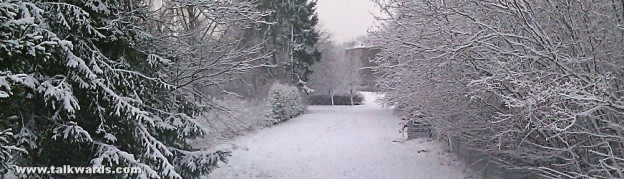
This morning the whole world was covered in snow! Very nice looking. Very bad for commuter traffic! But closer to Stockholm it was mostly slosh and puddles.
I just felt I had to share this picture since some Swedish winters are just so gorgeously beautiful. They say this winter will be! The weather service actually warns of -25 deg C this weekend! I get to use my ”alpine” winter jacket! Hurray! 😀
I tried to make a banner from that picture even though it’s been taken with a mobile (that didn’t even show the picture in the gallery until I hooked it up with my computer… crap!) I should get my Nikon and get busy tomorrow, perhaps I’ll get a decent picture because the mobile version is not really fit for bannerism… :D!
A couple of years ago, when I’ve just about purchased my Nikon D50 I snapped off a number of ”still life” like pictures. These are the sometimes unusual things you just happen to have lying around in an otherwise rather uninteresting apartment.

Still life 1: Pile of laundry
This is obviously one of the first things I snapped a picture of. After looking at the picture closer I realized it was a rather nice picture, selection of subject excluded. Anyway, as far as I’ve been able to determine there’s no underwear on the picture, and no insanely dusty socks, so I hope it’s at least PG-13 😀
The thing with this picture I like is that the object in center, the pile of clothes are actually adding a kind of calm from the rather detailed background. It feels kind of backwards, and perhaps it is.
Still life 2: Knick-knacks
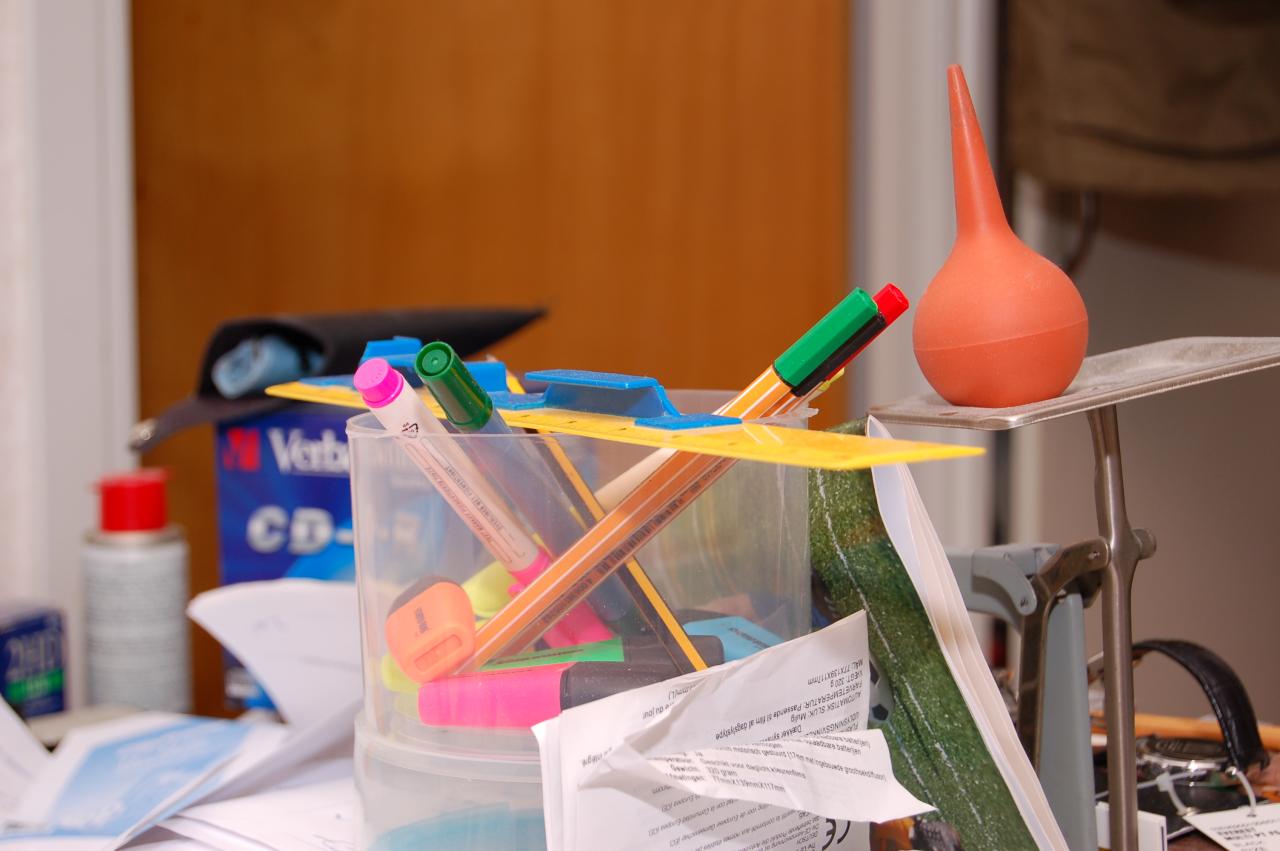
This is a bunch of knick-knacks lying around on my desk. Among other things you might notice a burnable CD box, a can of 5-56 universal oil and an ear cleaner rubber thingy. I’m especially proud of the bizarre factor that one adds. To my defense I might add that I used it to dust off my computer… you squeeze it and it blows air…
The ear thing sits atop an ancient letter scale, a bit crooked from being in my possession. I inherited it from grandpa who got it sometime in the fifties…
Still life 3: Bookshelf
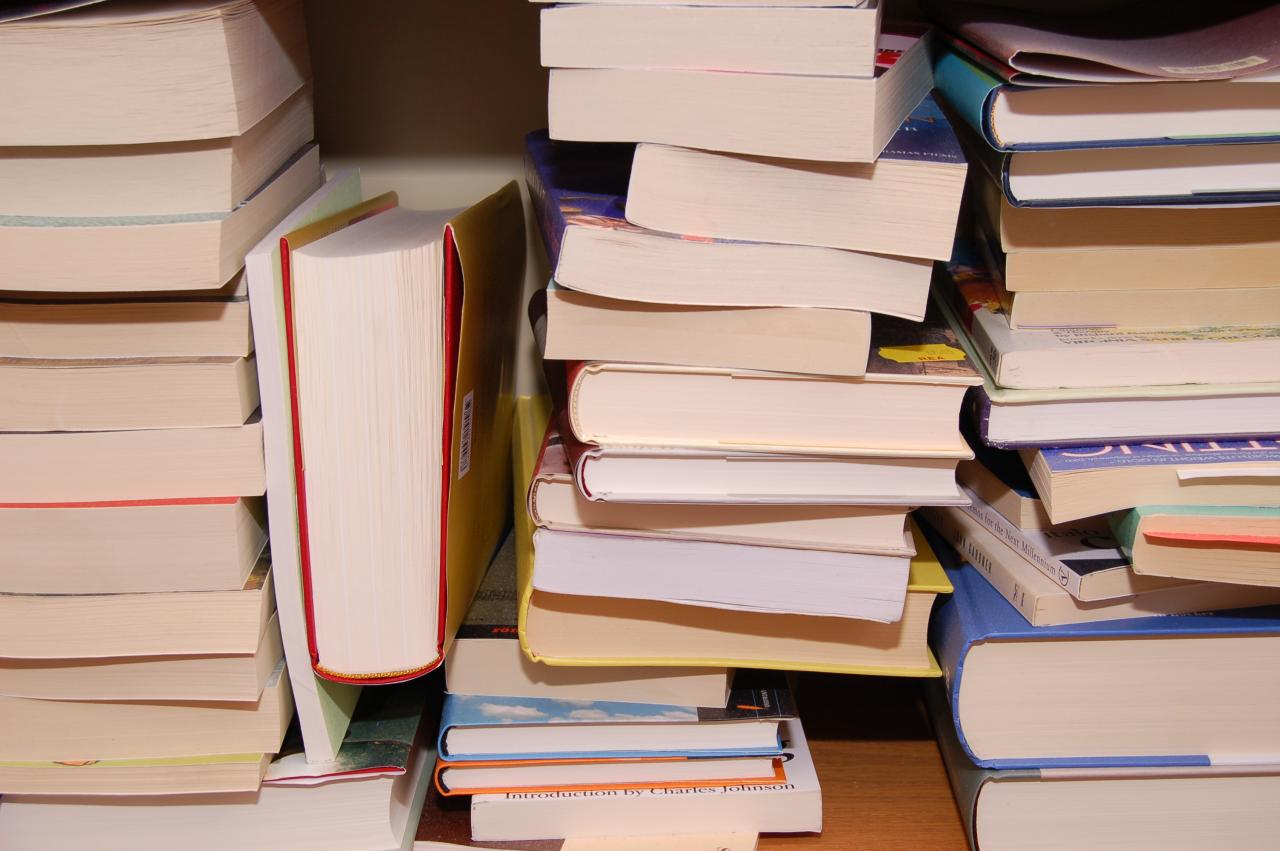
This is one of my favorite pictures. A classic book picture, true but still… it has a kind of uneven, haphazardly-piled impression to it that I really like.
What you probably don’t know is that this is my unread-books ”pile” or part of it anyway. The thing you can’t see on this picture is that all the books are quite dusty…
Too much work makes Hoakzie a dull boy!
Still life 4: Fruits
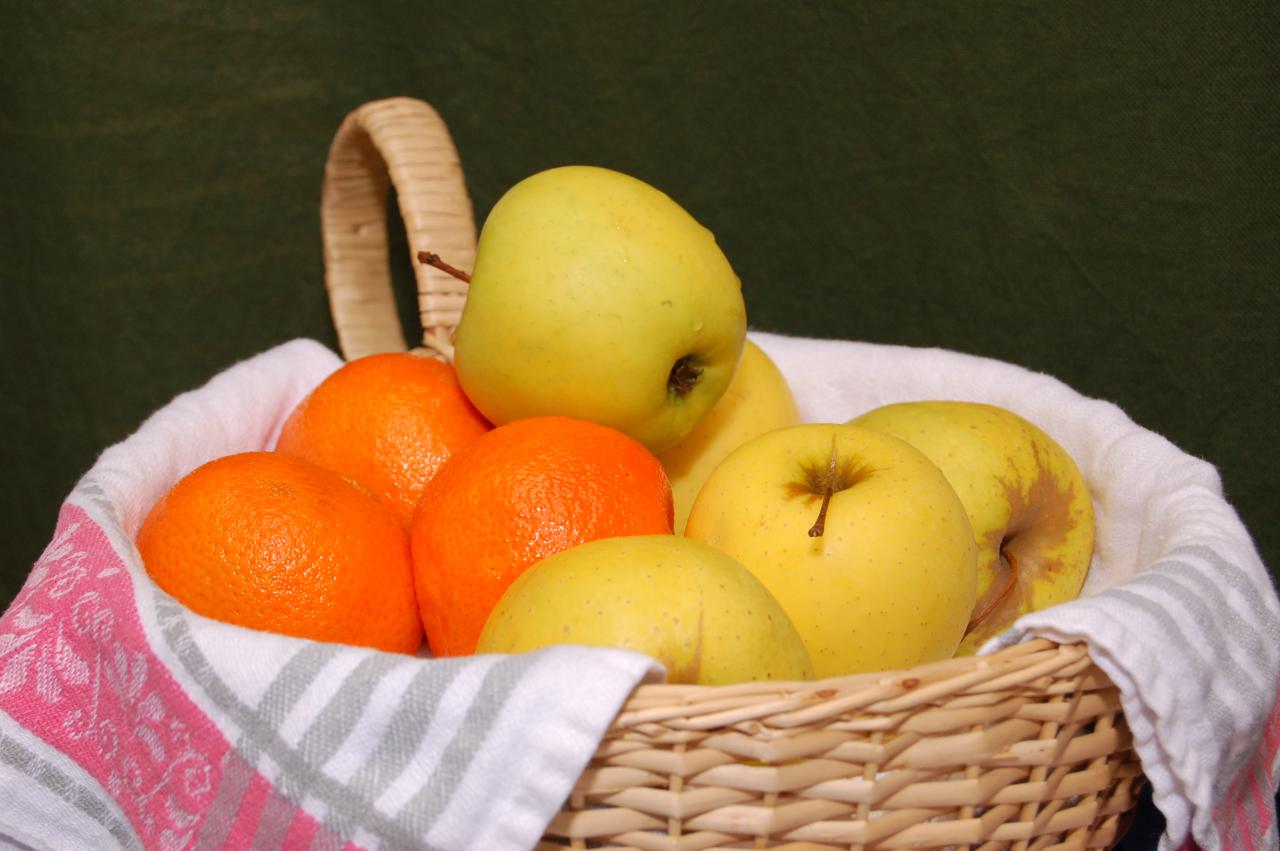
Okay, I confess: I’m a sucker for the classics. The only extenuating circumstance would be that there’s no banana or pine apple in there. And that the ”cloth” in the ”basket” is in fact a dish towel mom gave me when I moved away from home…
The European Commission has just announced an agreement that English will be the official language of the EU – rather than German (the other possibility).
As part of the negotiations, Her Majesty’s Government conceded that English spelling had some room for improvement, and has accepted a 5-year phase-in of new rules, which would apply to the language and reclassify it as Euro-English.
The agreed upon plan is as follows:
In year 1, the soft ’c’ would be replaced by ’s’. Sertainly,this will make the sivil-servants jump with joy. The hard ’c’ will be replaced by ’k’.
This should klear up konfusion and keyboards kan now have one less letter. There will be growing publik enthusiasm in the sekond year, when the troublesome ’ph’ is replaced by ’f’. This will reduse ’fotograf’ by 20%.
In the 3rd year, publik akseptanse of the new spelling kan be expekted to reach the stage where more komplikated changes are possible. Governments will enkourage the removal of double letters, which have always been a deterent to akurate speling. Also, al wil agre that the horible mes of the silent ’e’s in the language is digrasful and they should eliminat them.
By year 4, peopl wil be reseptiv to lingwistik korektions such as replasing ’th’ with ’z’ and ’w’ with ’v’ (saving mor keyboard spas).
During ze fifz year, ze unesesary ’o” kan be dropd from vords Kontaining ’ou’ and similar changes vud, of kors, be aplid to ozer kombinations of leters (i.e., ’ea’).
After zis fifz yer, ve vil hav a reli sensibil riten styl. Zer vil be no mor trubls or dificulties and evrivun vil find it ezi to understand ech ozer.
I just read the following sentence:
”He heard her own gasp of astonishment”
Some words just don’t work well with things no one else can do for you, I mean…
I entered the room and guess if I was surprised. My neighbor gasped with my astonishment, and as he had one of my thoughts, he came over to my own apartment to have a talk with me. He told me, with his wife’s voice, he disliked all but his own ideas. I had one of his ideas and in a contrary to his position, decided I liked it, so I made it my own idea.
It could get pretty interesting after a while of that. Perhaps the next pop-style of writing…?
I am sure you have come across this advice if you have read about creative writing:
”Show, don’t tell.”
It has been repeated in several discussions I’ve had and books I’ve read. Being from Northern Europe (Sweden to be precise) some of the literature I’ve grown up with does the opposite. It tells a story. Very little details, broad strokes, brushed by in high speed.
The good thing with showing, instead of telling, is that the story reveals lots of details that can easily capture the audience. You get to feel, hear, see, smell, taste what the characters experience. You get to ”be there.”
However, there are other concerns than revealing detail. The downside to showing instead of telling is that everything takes forever. You can hardly have a character sneeze without writing half a page about it.
Stories that show too much lose tempo, and become dreadfully long. I’ve seen amateur authors write a normal sized story (say about 3-400 pages soft cover) in twice, three even five times the number of pages, and when you analyze the story for this specific aspect you find everything is shown in painstaking detail.
I’m willing to bet, if you take your favorite book or author and analyze their texts you will find both showing and telling. This is done because showing gives detail, whereas telling gives speed, and higher tempo.
With telling you can manage the weekend trip to aunt Ruthie’s in a page, even half a page, with showing you could spend the whole book writing about it (I’m sure several authors have).
I can think of one reason this rather strange advice has been introduced in books on creative writing; it may have been borrowed from books on screen writing. When writing a manuscript (for the movies or the stage) being visual and showing details becomes important, unless the characters will start blathering the piece to shreds, or the crew filming the whole thing will have to improvise details. However, recent developments in movies have introduced a narrator as a story telling tool, and the theater has had story telling in it from the beginning (story telling may even have been the beginning of theater).
Telling or showing can both be as capturing for the reader if done right. When to use which becomes a question of what story you are telling, the rhythm versus details, and the ultimate measure is more about feeling than anything else. You have to read and write until you gain an ear for when to show and when to tell, in order to write the story you want with the rhythm that will capture audience the most…